OUR WORK IN ISRAEL AND PALESTINE
A gift to our Summer Appeal enables our partners to continue their vital services to all those dealing with the ongoing effects and trauma of conflict.
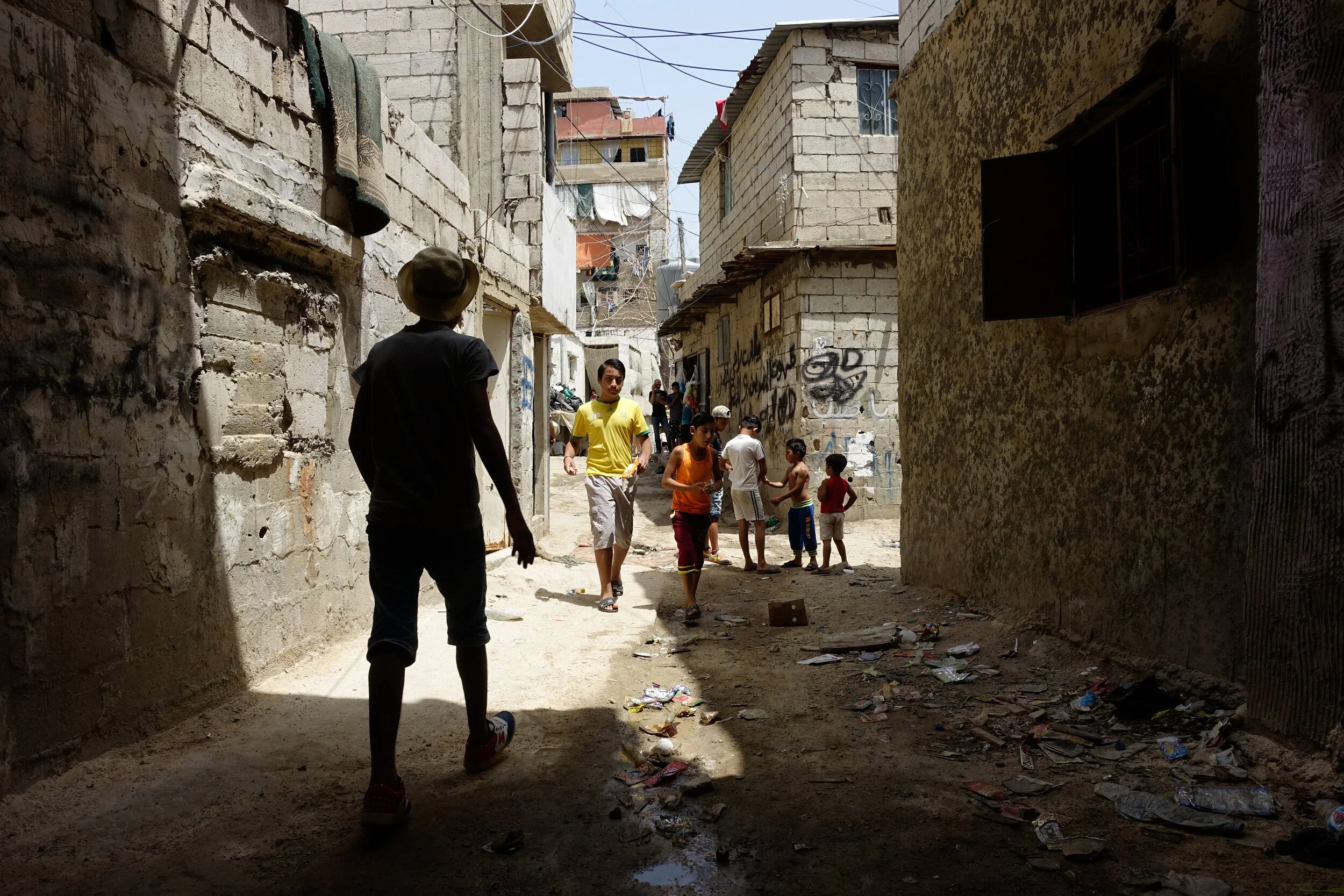
Palestinians and Israelis live in a complex and protracted conflict that impacts their everyday lives. Aside from the threat of violence, the ongoing conflict affects access to healthcare, education, employment and other human rights.
Embrace works with Christians in Israel, the West Bank (including East Jerusalem), and Gaza, to address the needs of their communities through providing both urgent aid and long-term support. Our partners in Israel and Palestine show the love of Christ by bringing people together to build relationships and advocate for a better future, providing medical care for those most in need, speaking up for the rights of people living with disabilities and their families and helping young people to access a better and more secure future.
PROJECTS IN ISRAEL AND PALESTINE LATEST UPDATES
WAR IN GAZA NEWS FROM OUR PARTNERS
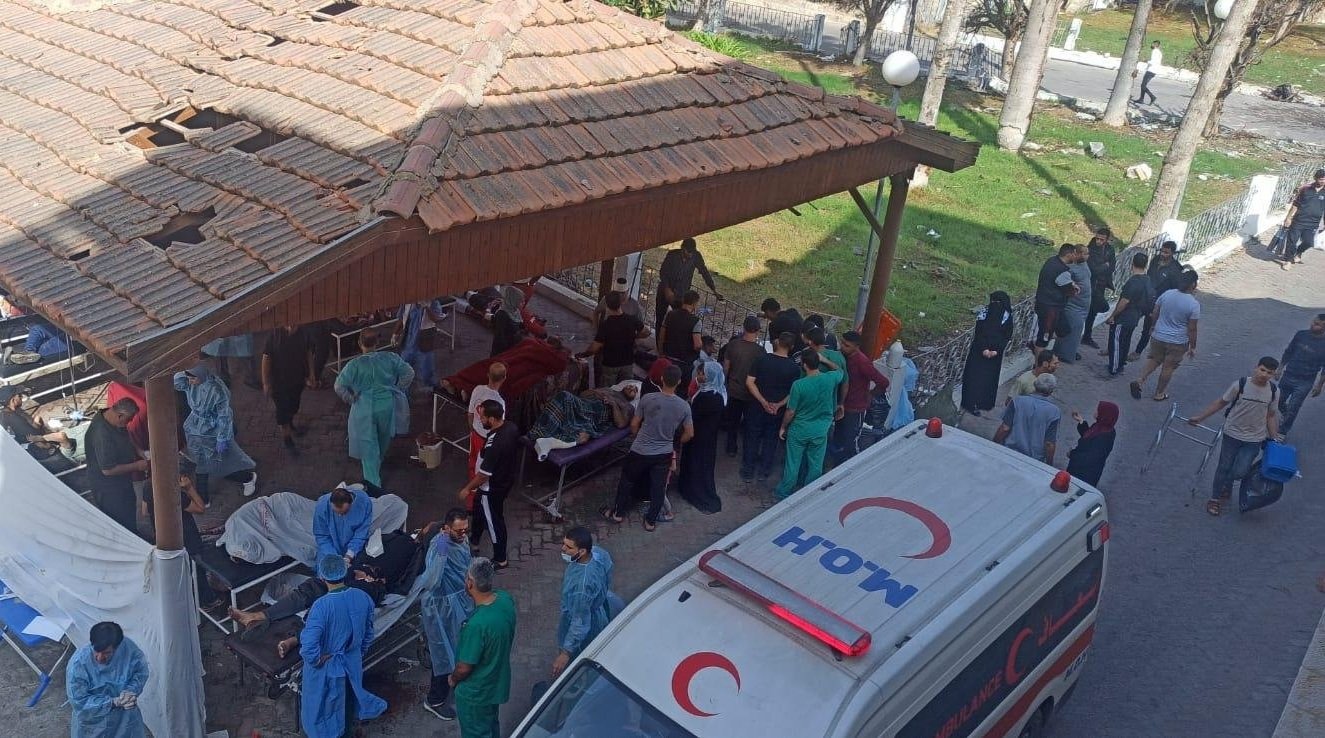
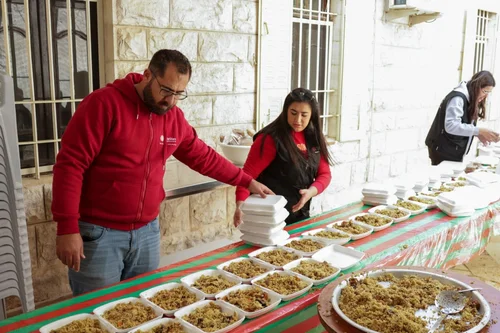
Love in Action: Our Partners Respond to the Crisis
Across the Middle East, the ongoing conflict has brought immense suffering, uncertainty and loss. Yet even in the midst of fear and destruction, our Christian partners there remain steadfast in their commitment to serve their neighbours.
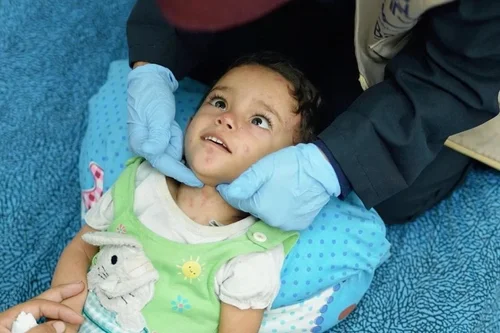
Disability support continues in Gaza but impact of war still a daily reality
Thousands of children in Gaza have sustained life-changing injuries in the recent war. Thousands more have chronic conditions and disabilities that have deteriorated over the last two years because they’ve been unable to access the medical support they need. A team of specialists from the Jerusalem Princess Basma Centre are providing vital treatment and rehabilitation therapies.
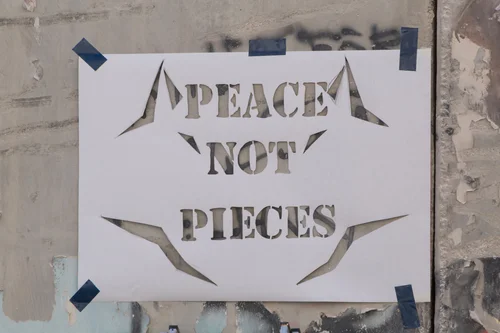
Profound Peace
‘The peace of God calls us to look beneath political rhetoric. It invites us to confront the human realities of suffering and dispossession. It calls us to resist confusion or complacency when the world declares ‘peace’ yet turns away from injustice.’
Saleem Anfous – Project Manager, Musalaha
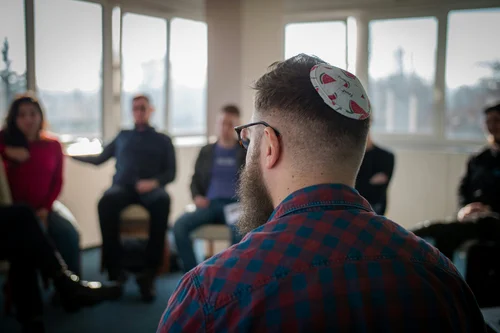
Seeds of reconciliation planted by Israel’s Teachers
Reconciliation is rarely achieved through dramatic moments. More often, it grows slowly, like a seed planted quietly. The ‘Foundations for Change’ project is working with Jewish and Arab-Israeli teachers in Israel to build understanding across divided communities and sow the seeds of reconciliation in their classrooms.
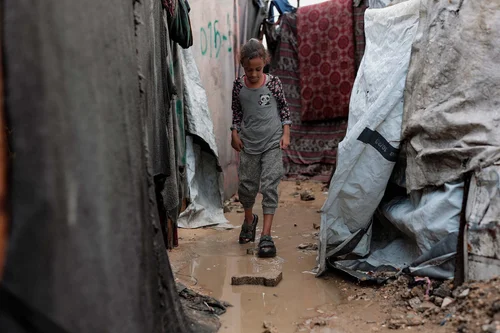
Rats, rubbish and lice: The horrific conditions in Gaza’s displacement camps
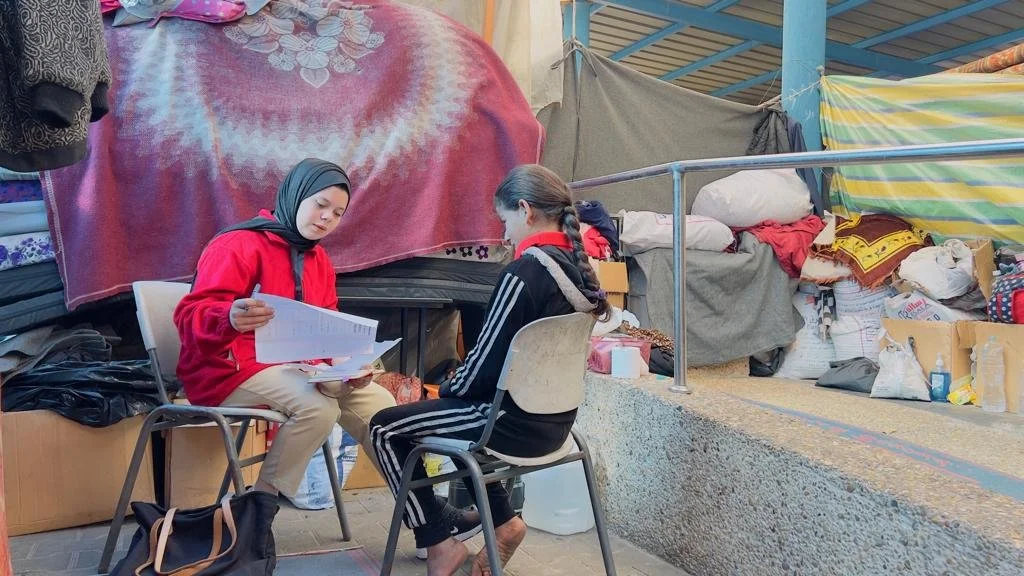
The media reports on Gaza have diminished, but this doesn’t mean the situation is getting better – far from it. Conditions are catastrophic, and our partners there warn that they are getting worse. We’ve the latest update on the health situation there and the headline issues that our partners say need urgent intervention.
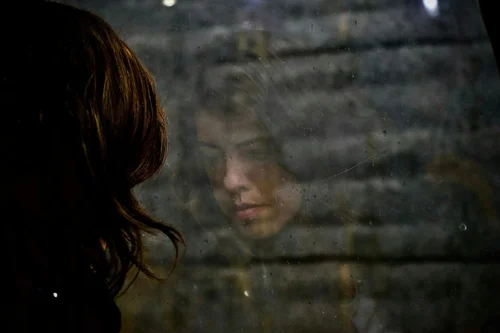
Healing the invisible wounds of war: Mental health support
The recent years of escalating conflict across the Middle East have not only destroyed homes and communities, but has left many battling with mental health issues from profound trauma, stress, and ever-present sense of insecurity. This spiralling mental health crisis needs urgent intervention – and we and our partners are responding, helping young people as they work to rebuild their lives and build a more hopeful tomorrow. Some have bravely shared their stories with us.


OUR PARTNERS IN ISRAEL AND PALESTINE
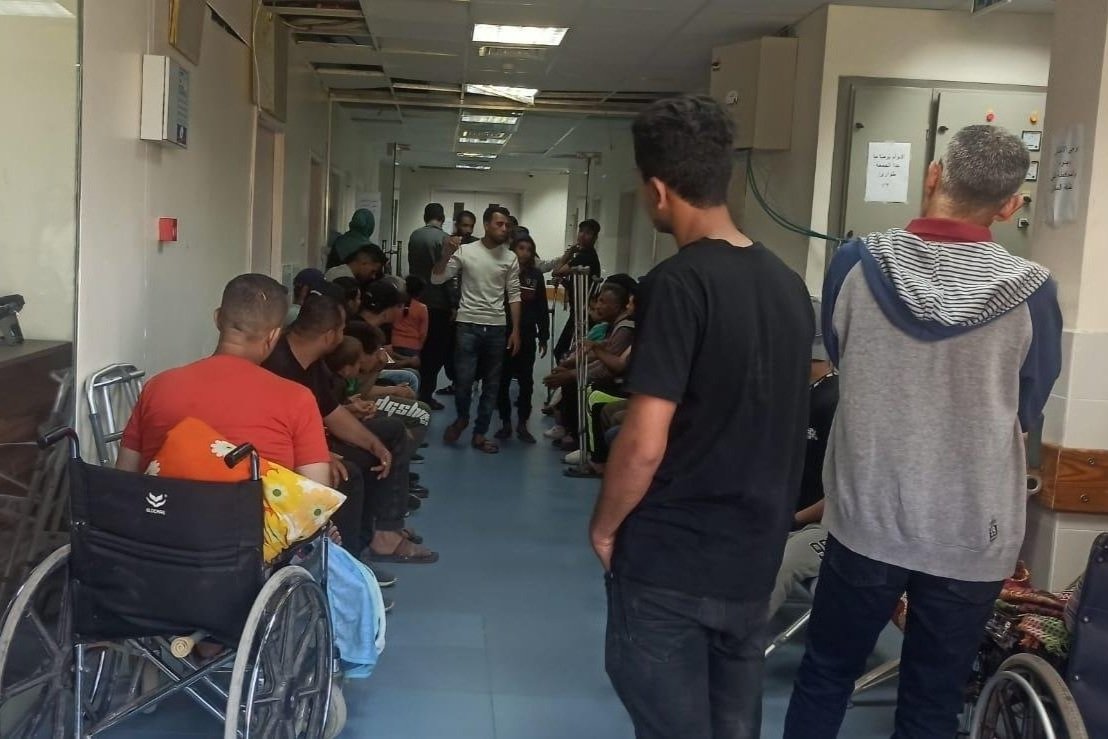
AL AHLI ARAB HOSPITAL
The Al Ahli Arab Hospital is a private hospital under the Anglican Diocese of Jerusalem in the heart of Gaza City. They provide high-quality healthcare to marginalised and vulnerable people living in Gaza, as well as outreach services to reach those for whom travelling to the main hospital would be a barrier to healthcare.
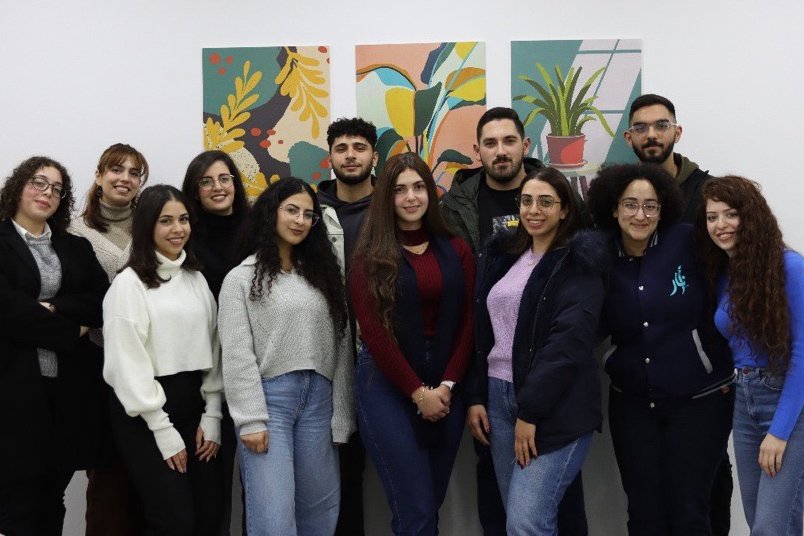
ANAR FOR EMPOWERMENT AND SOCIAL SUPPORT
Anar is dedicated to empowering Palestinian children who have been adversely affected by oppression and conflict. They foster their wellbeing, support their healing process and assist them in realising their full potential through programmes and interventions that utilise creativity and prioritise mental and emotional wellbeing.
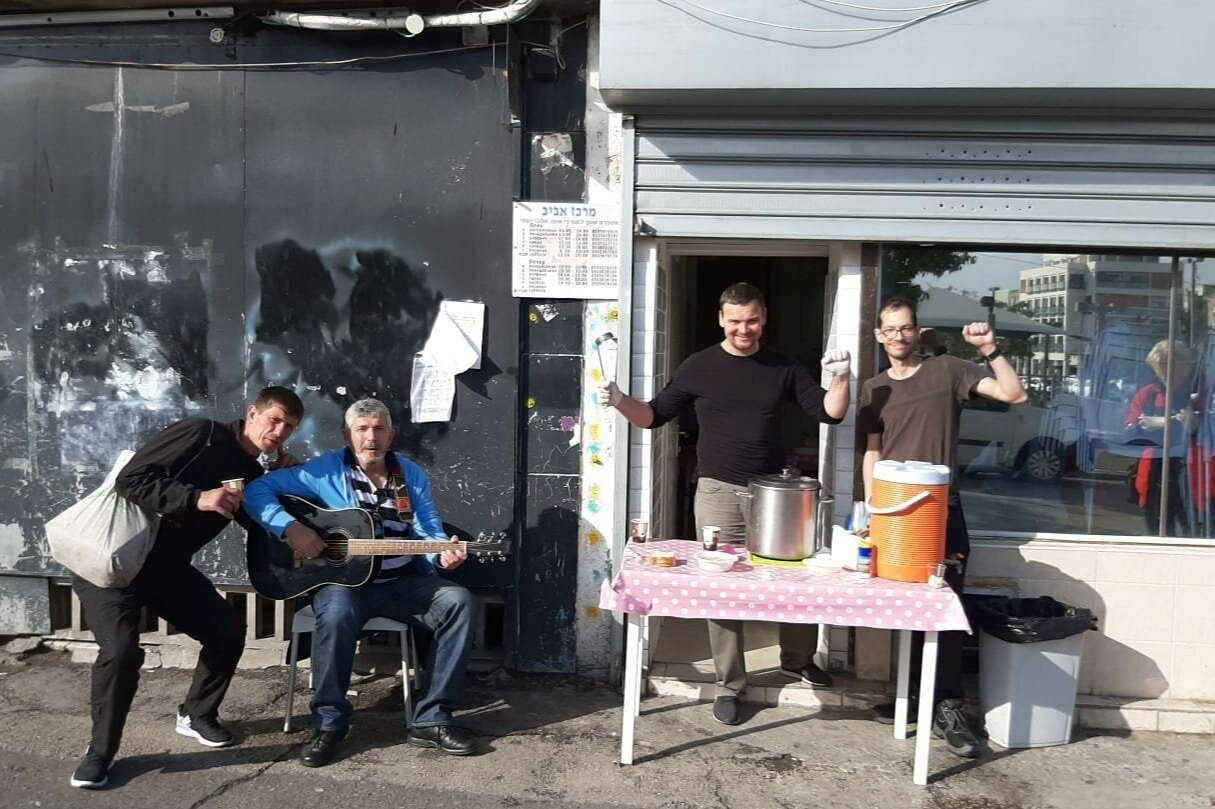
AVIV MINISTRY
Aviv Ministry provides shelter, warm meals and care to people living with addictions on the streets of South Tel Aviv. The shelter is run by a team of volunteers who travel from all over Israel to serve this often-forgotten community and share the compassion of God with them.
“I was shown that I am not hopelessly lost and I saw that many other people have got the same problems and have got experiences similar to mine.”
— Aviv Ministry beneficiary
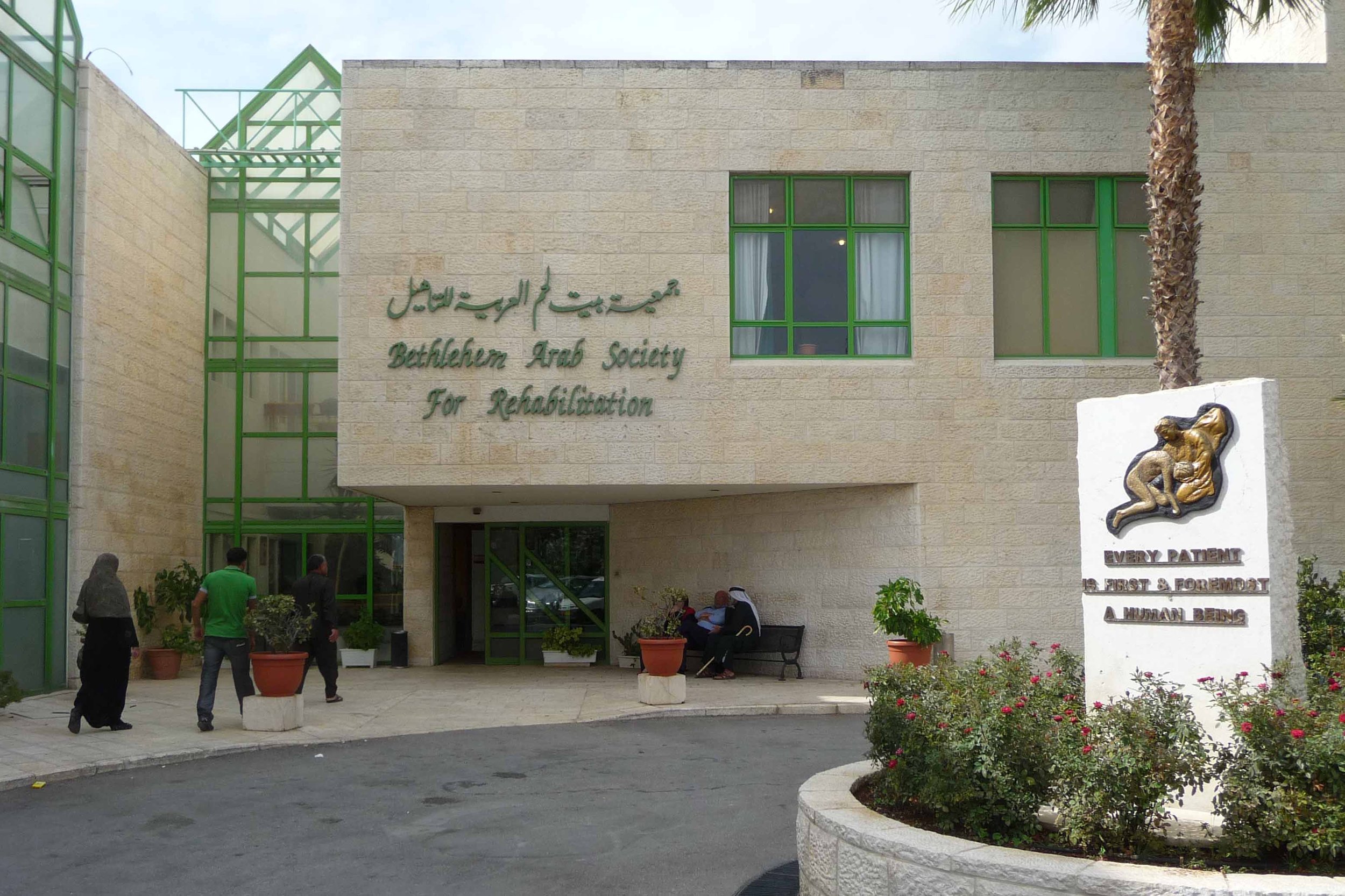
BASR
The Bethlehem Arab Society for Rehabilitation offers rehabilitative services to people living with physical and mental disabilities across the West Bank. They reach out to marginalised communities and support people with disabilities to earn an income and live independently, including through advocacy work with local authorities and employers.
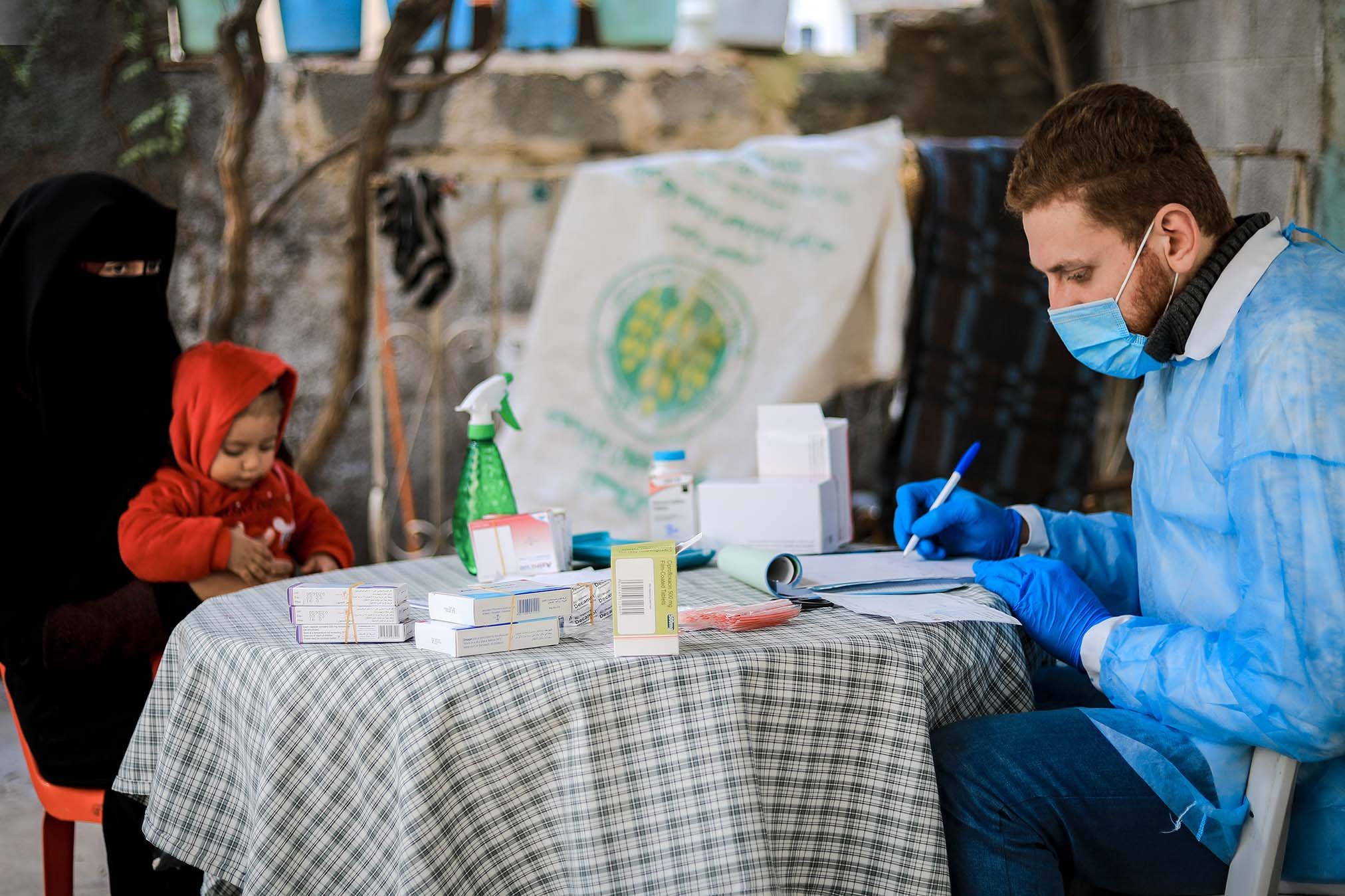
CARITAS JERUSALEM
Caritas Jerusalem are part of the global Caritas confederation and deliver humanitarian and development programmes in the West Bank and East Jerusalem, Israel and Gaza. Their services range from supporting agriculture and livelihoods projects, to healthcare clinics and services for older people.
DSPR
The Department of Service to Palestinian Refugees of the Middle East Council of Churches was founded in 1948 to respond to the needs of Palestinian refugees. The central office is based in Jerusalem, but there are five devolved Area Committees in the West Bank, Gaza, Israel, Jordan and Lebanon. DSPR’s main focus is to work with Palestinian refugee communities to promote decent living conditions.
“I felt a sense of accomplishment. I have become more confident and have plans for the future, and am more able to control my reactions toward situations.”
— Child ex-detainee, East Jerusalem YMCA
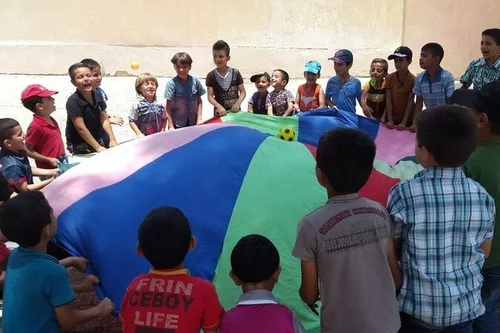
EAST JERUSALEM YMCA
EJ-YMCA delivers sports, recreation and training opportunities to people throughout the West Bank. Their services also include a large rehabilitation and livelihoods programme for young people living with disabilities or who have been traumatised or impacted by events related to the ongoing occupation in the West Bank.
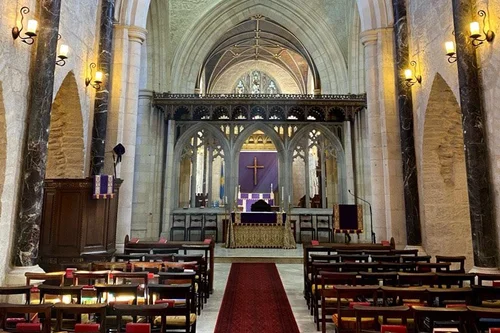
EPISCOPAL DIOCESE OF JERUSALEM
Centred at St George’s Cathedral in Jerusalem, the Episcopal Diocese of Jerusalem, is responsible for over 30 institutions across Palestine, Israel, Jordan, Lebanon and Syria and 28 congregations of around 7,000 worshippers.
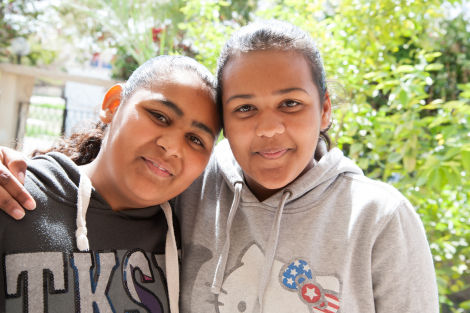
ICCI
The International Christian Committee in Israel is based in Nazareth and works on a number of community-development projects in the north of Israel. The focus of their programmes are on interfaith relationships, peace building, education, livelihood creation and the protection of girls and women.
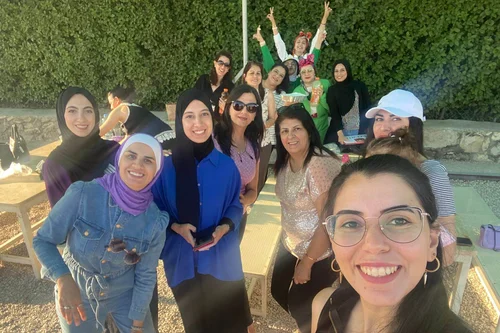
MUSALAHA
Musalaha provides reconciliation training and facilitates opportunities for Palestinians and Israelis to come together. Their programme for Palestinian and Israeli women believers, delivers training to empower women to be peacebuilders in and between their communities, through training, conferences and residential encounters.
NECC
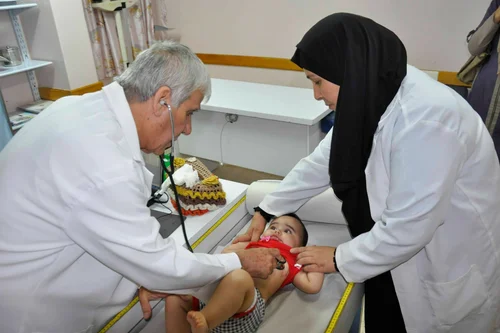
The Near East Council of Churches runs primary health care clinics in three of the poorest areas of Gaza. They deliver holistic antenatal and pre-conception care as well as dedicated clinics for mothers and children up to the age of six. In addition to physical health, they operate a programme of psychosocial support and parenting classes.
PALESTINIAN BIBLE SOCIETY
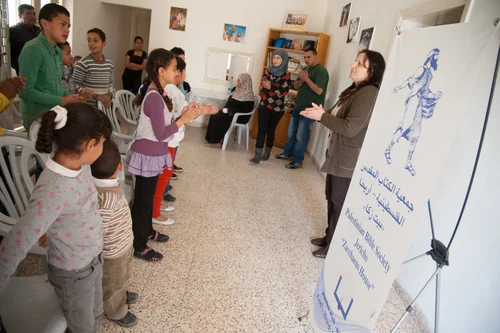
The Palestinian Bible Society works to make the Word of God available to people living in the Holy Land. They also run a number of development and training programmes, including a training centre in Jericho that teaches the model of servant leadership to participants from across the West Bank.
“People should learn that there is a bigger picture and two sides to every story and should get to know our neighbours. This is the only way we can ever get to peace.”
— Musalaha participant
PMP
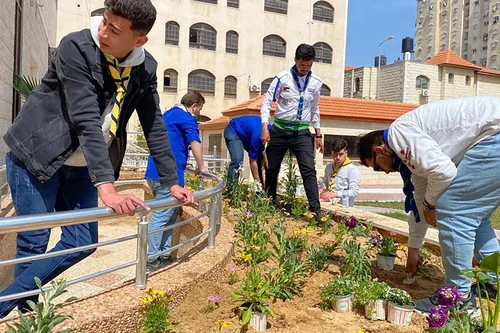
The Pontifical Mission for Palestine was set up by Pope Pius XII in 1949 to provide education, health, humanitarian and development services to Palestinian communities. As well as delivering their own programmes, PMP also supports smaller grassroots organisations to access international funding. Many PMP projects work to equip and empower young people.
PRINCESS BASMA CENTRE
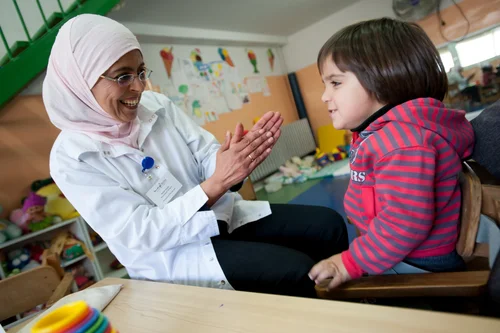
The Jerusalem Princess Basma Centre provides services for children with disabilities in Palestine. These include rehabilitation therapies, inclusive education, advocacy and the development and dissemination of best practice to other centres in the West Bank. They also have a residential programme for parents to teach them how to better support their children at home.
SOCIETY OF ST YVES
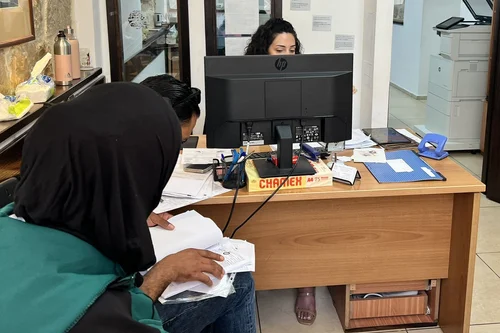
The Society of St Yves is a Catholic human rights organisation under the Latin Patriarchate which provides legal aid to those in need, oppressed or marginalised and raises awareness of human and civil rights within society. Part of their work includes legal support and awareness around freedom of movement between the occupied Palestinian Territories.
PERSONAL STORIES FROM OUR PROJECTS IN ISRAEL AND PALESTINE
-
Standing Firm Amid Growing Intimidation
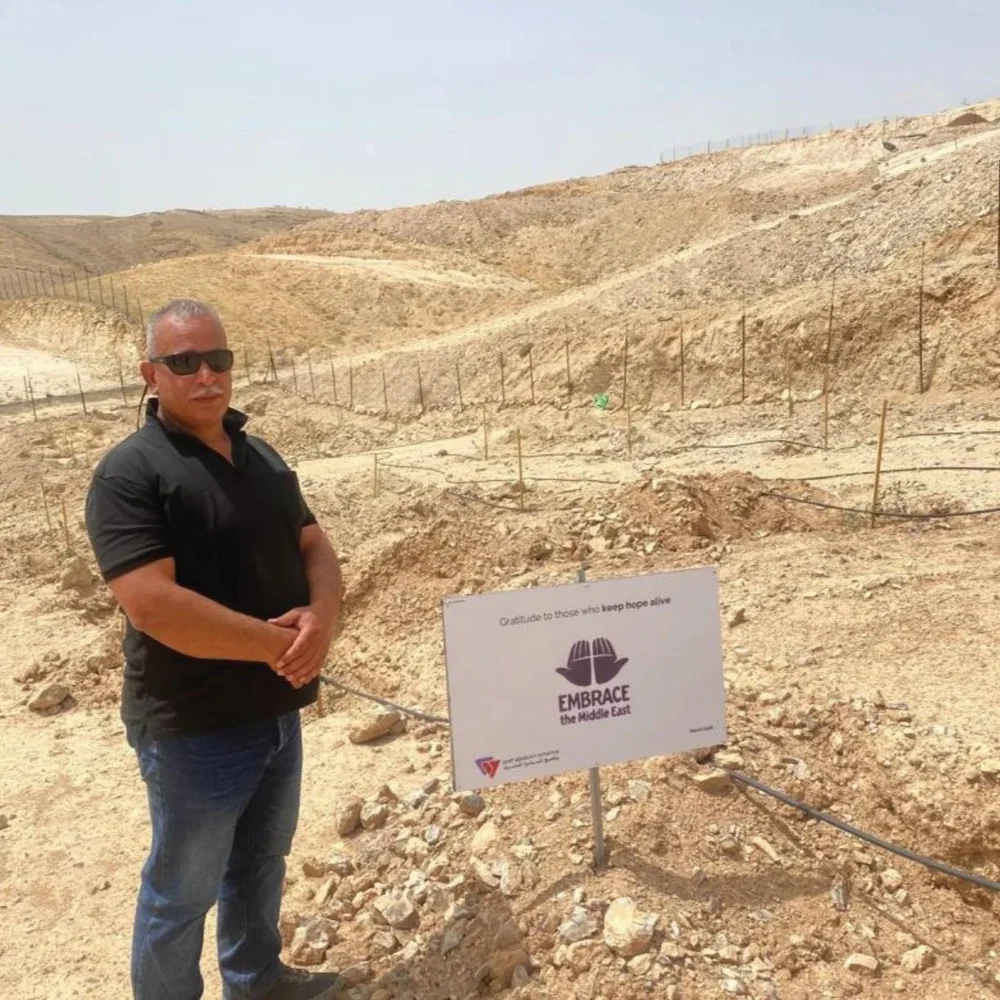
Read more →: Standing Firm Amid Growing IntimidationOMAR’S STORY Would you turn up to work knowing that you risked facing threats and even physical violence? For the past 10 years Omar has faithfully tended his farmland in Za’atara, near Bethlehem, but each year he faces more intimidation…
-
Healthy foundations for children in the West Bank
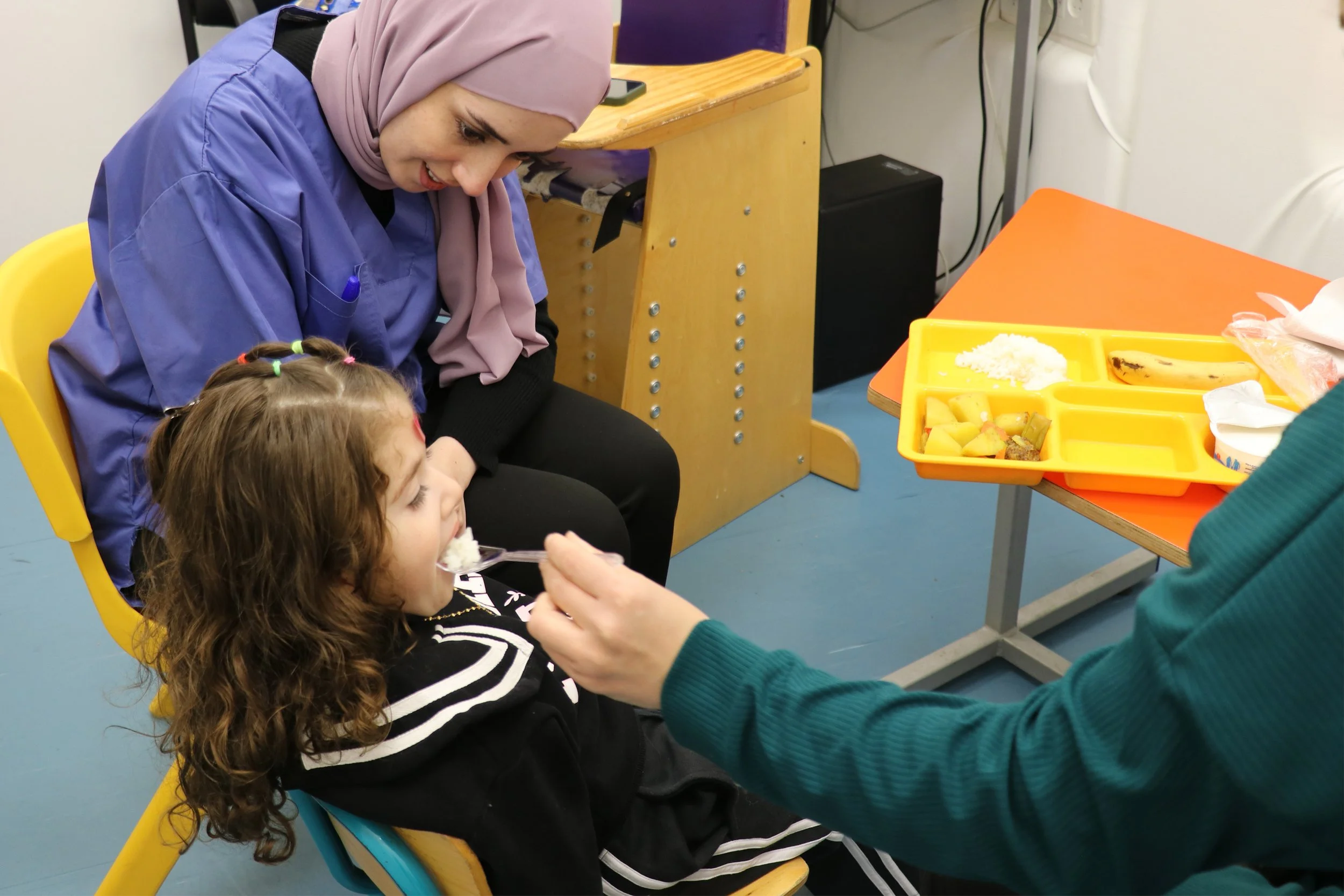
Read more →: Healthy foundations for children in the West BankSARAH’S STORY Sarah works as a Nutritionist with our partner Jerusalem Princess Basma Centre on the Mount of Olives. When families visit for rehabilitation residentials one of the first things Sarah does is share a meal with them. Observing their…
-
Stories from the war in Gaza: A mother reunited with her infant son
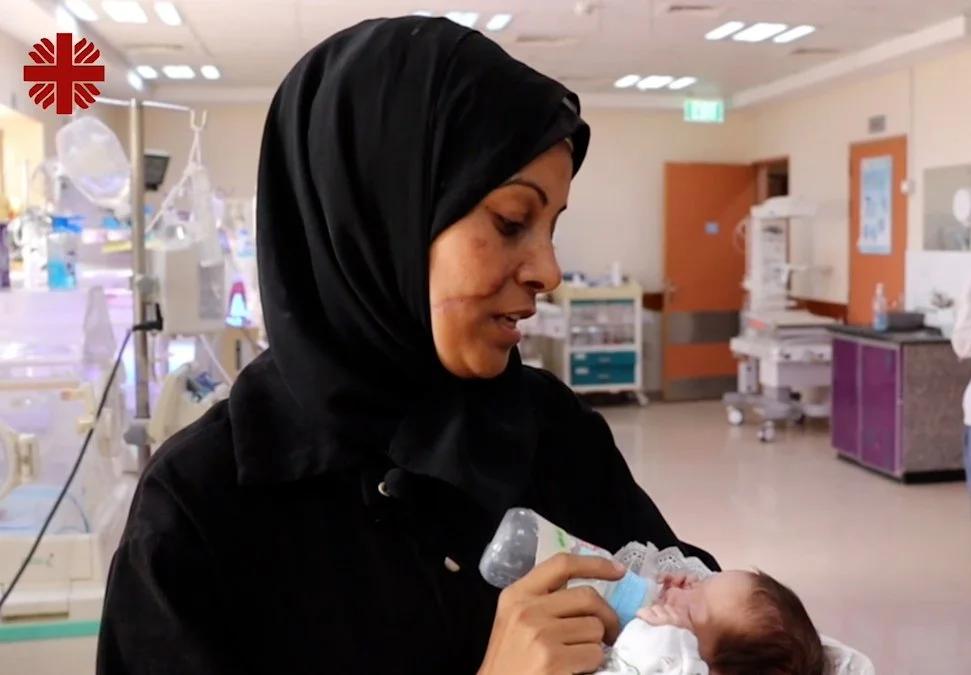
Read more →: Stories from the war in Gaza: A mother reunited with her infant sonBadly injured in an Israeli airstrike moments after giving birth, Aisha was separated from her new baby. For months she feared he had been killed.
-
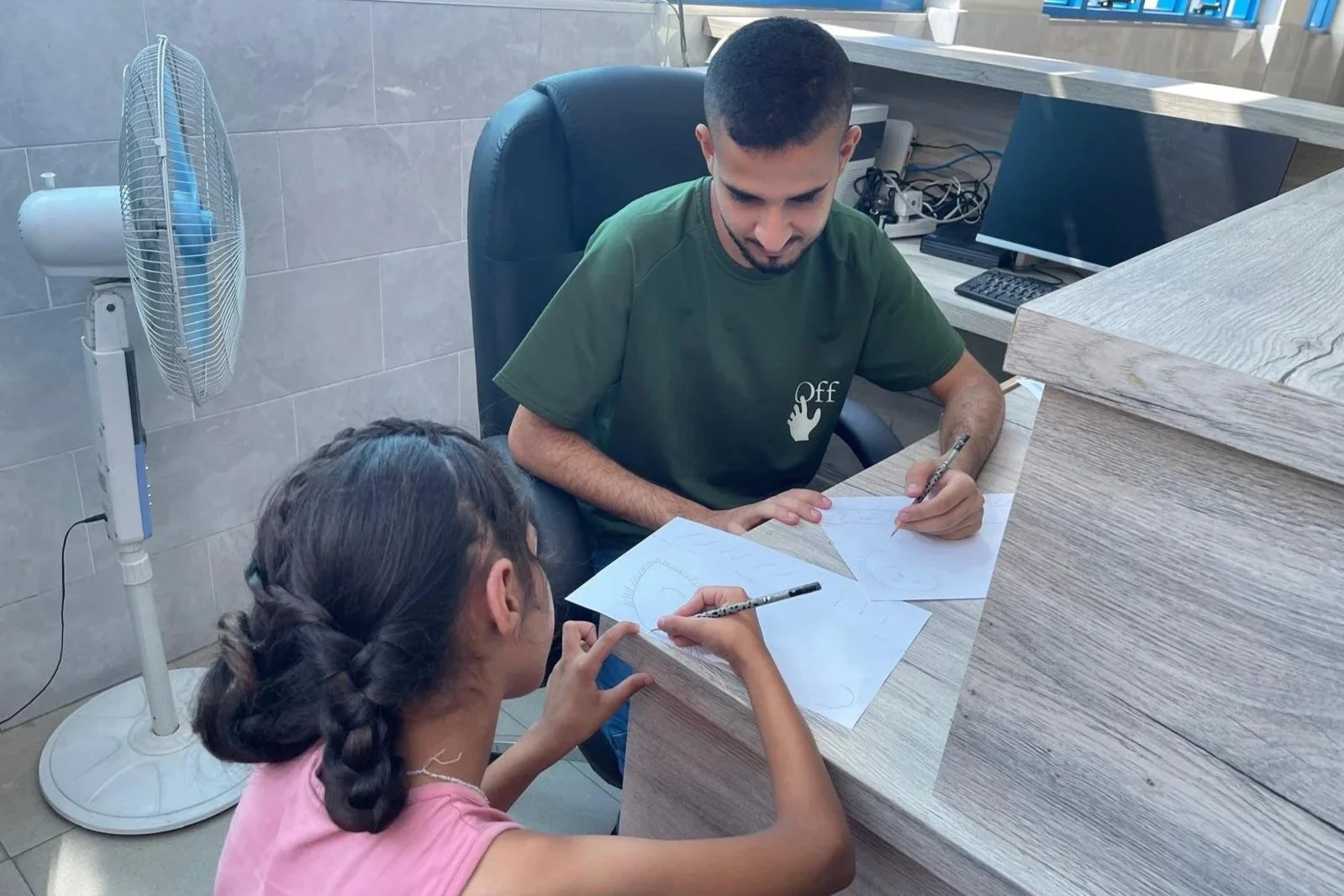
The play therapist helping Gaza’s children laugh again
Read more →: The play therapist helping Gaza’s children laugh againMy name is George and I work with children with disabilities at the Princess Basma satellite unit in Gaza City. This year has been so very hard for us…
-
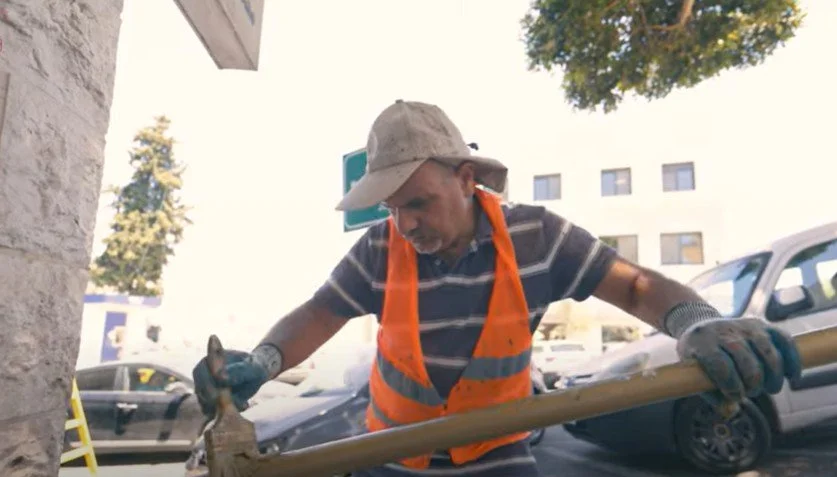
Emergency Employment Project in Bethlehem – Video update
Read more →: Emergency Employment Project in Bethlehem – Video updateThe war in Gaza has caused unimaginable devastation in the Gaza strip, but has also had a huge impacts on the West Bank – including soaring unemployment. This year, we’ve been supporting an Emergency Employment Project in Bethlehem, and we’re…
-
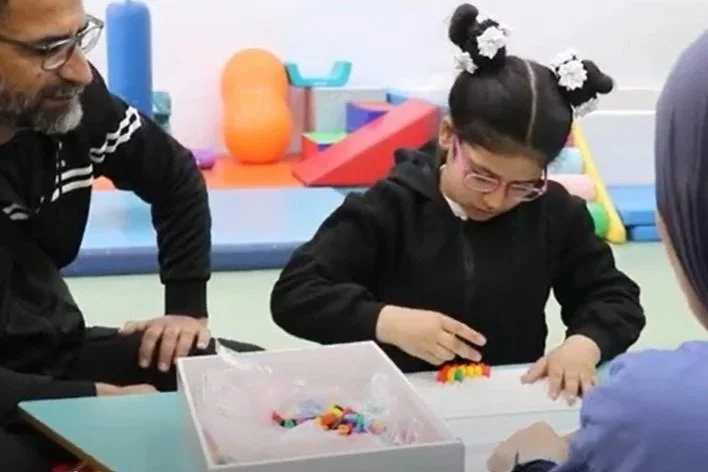
Ensuring access to disability support in the West Bank
Read more →: Ensuring access to disability support in the West BankWhen Tuqa’s father realised his daughter needed extra support to overcome the additional challenges she faced, he was determined to do all he could to help her. But accessing disability care in the West Bank, particularly because of the severe…
-
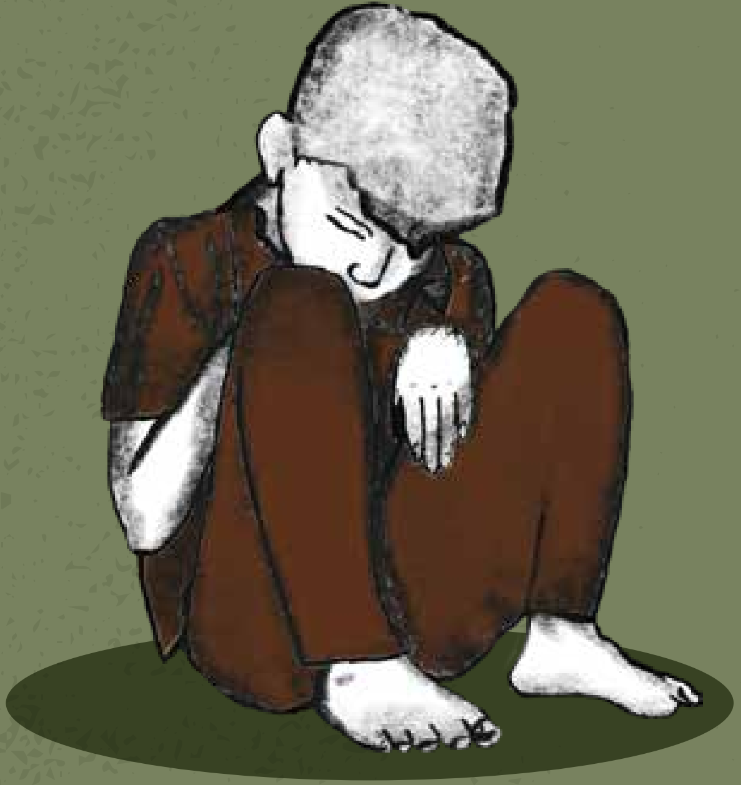
Childhood Behind Bars: The high-school student pulled from his bed by soldiers
Read more →: Childhood Behind Bars: The high-school student pulled from his bed by soldiersNavid was fast asleep when the Israeli soldiers came for him. It was late at night and the 17-year-old high school student was in his bedroom when the soldiers burst into his home, beat him, and didn’t allow his family…
-
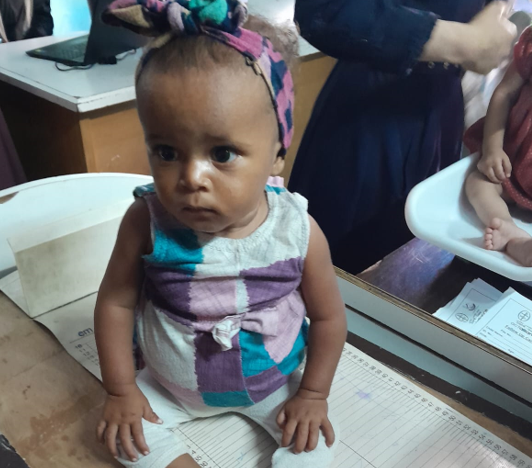
Stories from the war in Gaza: Supporting malnourished children
Read more →: Stories from the war in Gaza: Supporting malnourished childrenSana was born on 12 May 2024 in the north of Gaza. From when she was born until now, her life has been a story of war. Her father was killed in the war, leaving her mother to care for…
-
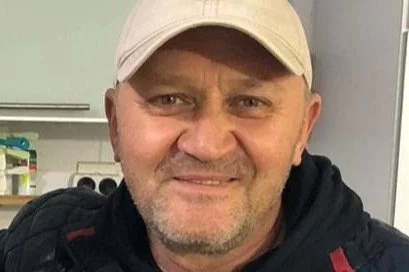
From Gangster to Minister
Read more →: From Gangster to MinisterThe remarkable story of how Eduard turned his life around after an encounter with a Christian. He is now on the team of Embrace’s partner Aviv Ministry, providing shelter and support for Tel Aviv’s rough sleepers.