CHRISTIANS IN LEBANON
Christianity was introduced to Lebanon in the first century AD. Tradition states that it was brought to Lebanon by St Peter and St Paul, and there has been a continuous Christian presence in the country since then.
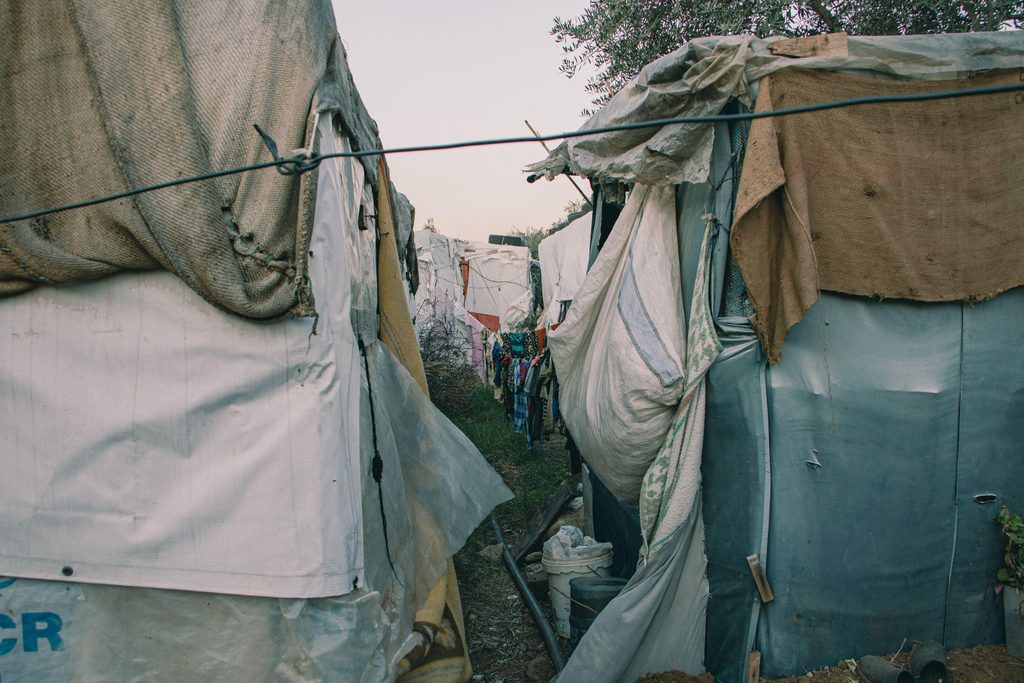
Help a family in Lebanon to stay warm this Christmas
This Christmas, you can provide practical support to vulnerable people in Lebanon through essentials such as blankets, warm clothing and heating assistance.
How many Christians are in Lebanon today?
There are no official statistics for the number of Christians in Lebanon today, but it’s estimated that there are around 2.24 million, approximately 33% of the population.
The Catholic Maronite Church is the largest Christian community in the country (about 1 million). The Eastern (Greek) Orthodox Church is the second biggest. The Armenian Orthodox Church (part of the Oriental Orthodox church family) also has a strong presence (with at least 17 churches), as many Armenian Christians fled to Lebanon during the Armenian Genocide in 1915. One of the church’s two Sees – the Catholicosate of the Great House of Cilicia’ – has been led from Antelias in Lebanon since the 1930s.
Other denominations in Lebanon include: the Syriac Orthodox Church (of the Oriental Orthodox church family), the Armenian Catholic Church, the Syriac Catholic Church, and Protestant Presbyterians and Congregationalists.
FIND OUT MORE ABOUT LEBANESE CHRISTIAN WORSHIP
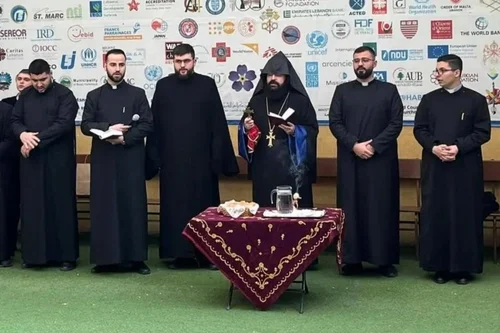
FESTIVITIES UNTIL FEBRUARY – CELEBRATING CHRISTMAS IN ARMENIAN CHURCH
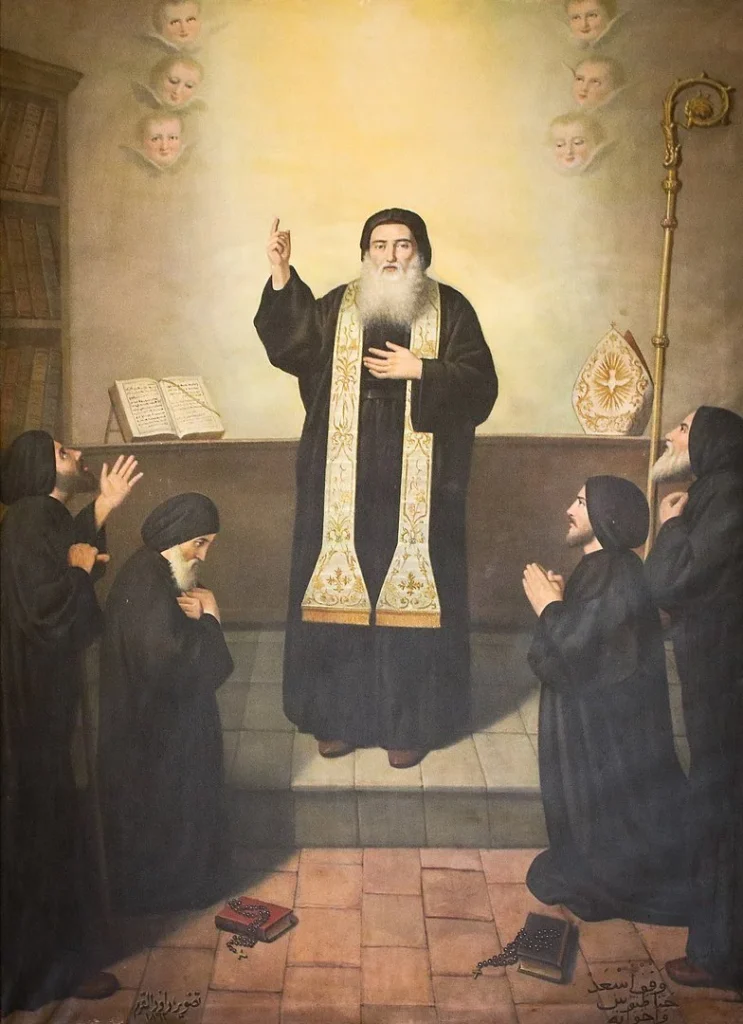
ST MARON AND THE MARONITE CHURCH
HOW IS PENTECOST CELEBRATED IN THE MIDDLE EAST?
LENT IN THE MIDDLE EAST
What are the challenges facing Lebanese Christians?
Along with the majority of the rest of the population of Lebanon, the main challenge facing Christians in the country today is the crippling economic and political crisis that has been affecting the country for the last few years and exacerbated by the Israel/Hezbollah war at the end of 2024. Churches are struggling to continue to run their hospitals, schools and social support programmes. Many church schools, in particular, have closed.
It is not only due to lack of money to cover basic resources, such as electricity, that is forcing these closures but also lack of staff. Wages in Lebanon are a fraction of what they were once worth and are no longer enough to make ends meet, forcing many families, both Christian and Muslim, to emigrate.
HEAR DIRECTLY FROM CHRISTIANS IN THE LEBANON
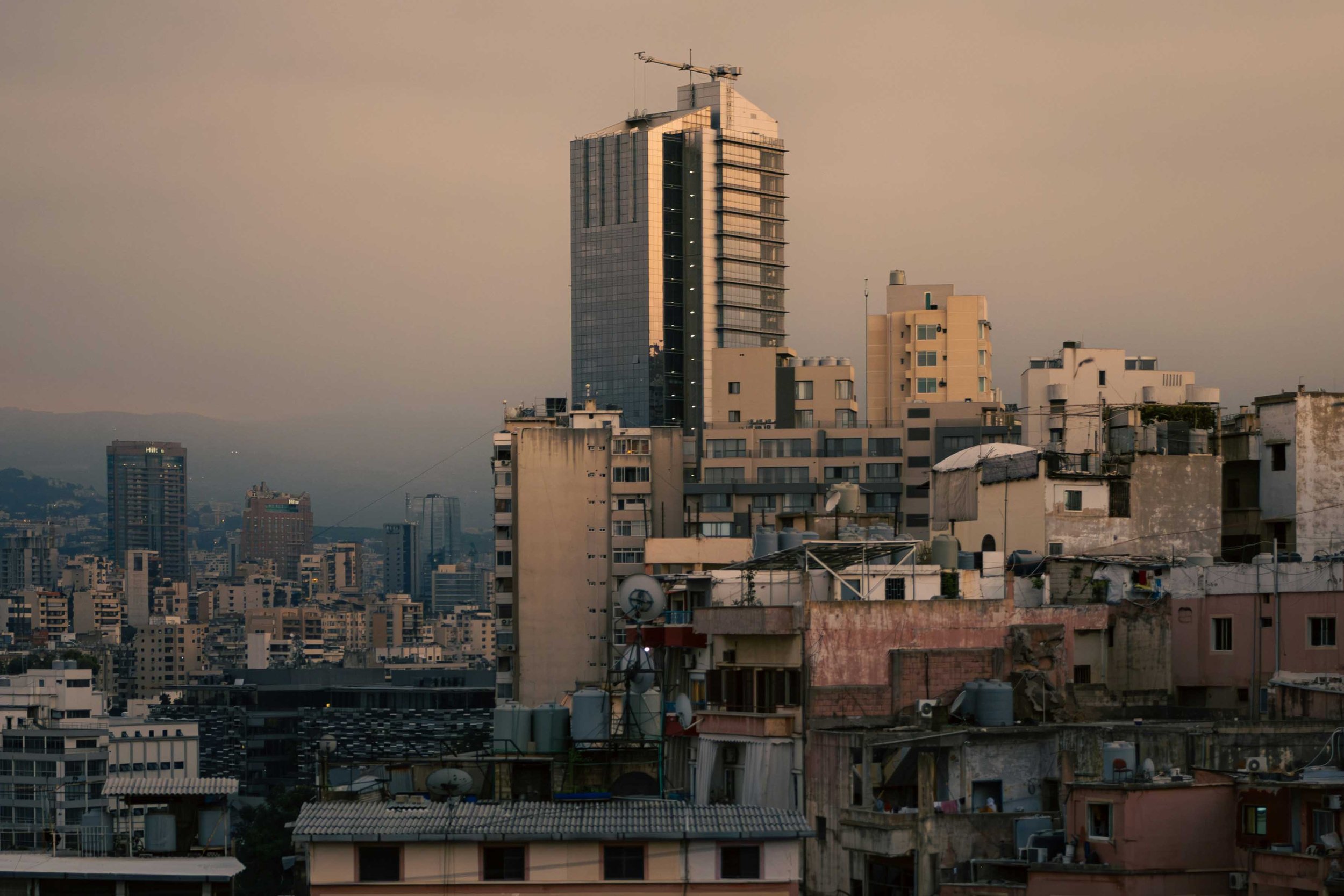
A NEW PHASE FOR THE MIDDLE EAST? A VIEW FROM LEBANON
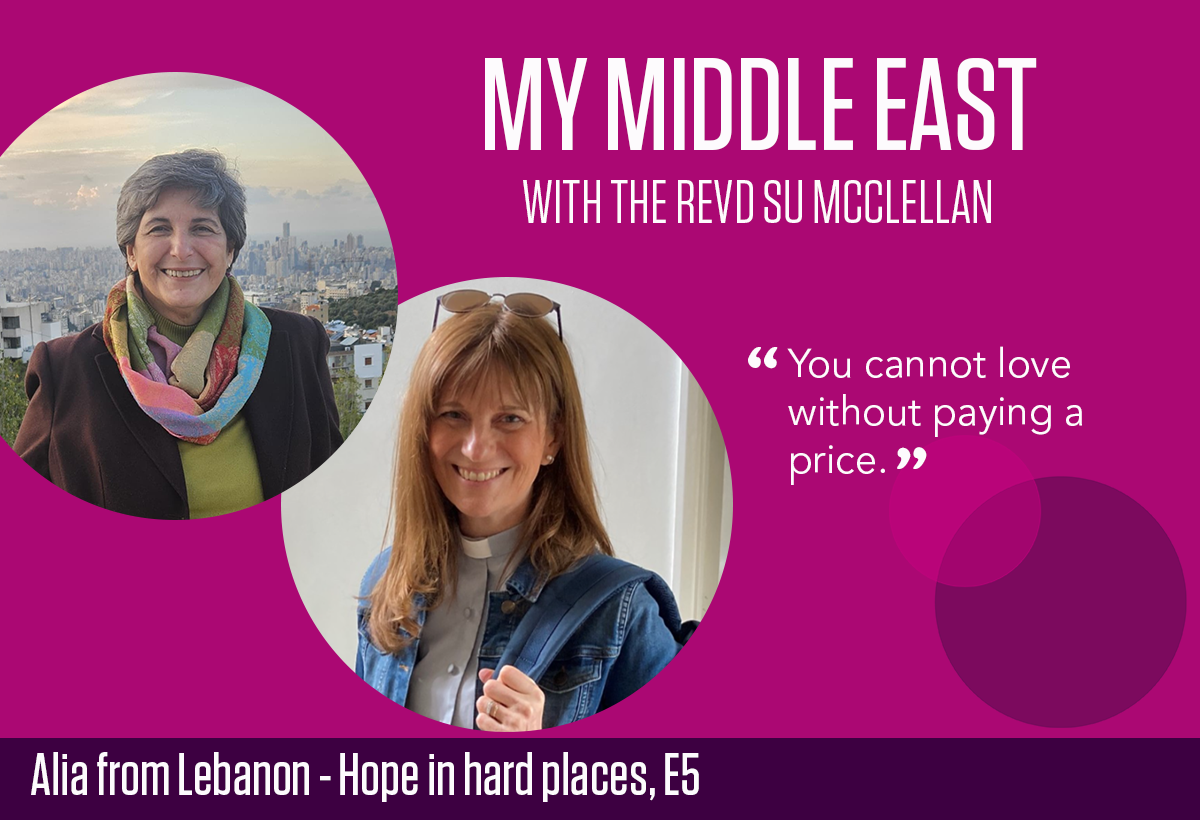
FINDING HOPE IN HARD PLACES ALIA FROM LEBANON
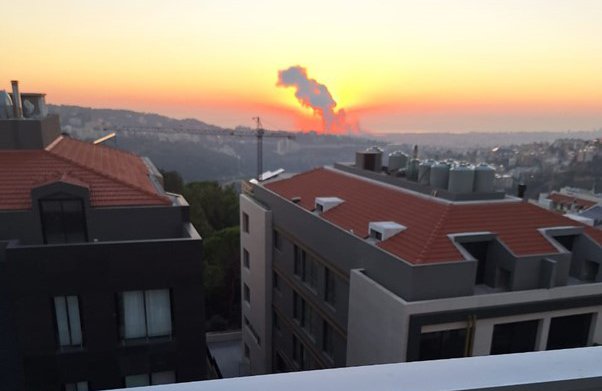
AMID THIS DARKNESS WE ARE CALLED TO SERVE
What impact does the Christian community in Lebanon have?
Although a minority, the Christian community in Lebanon is enshrined in the constitution of the country, meaning they have a significant impact in the politics and policies of the country. The end of the civil war led to a power-sharing agreement (the Taif Agreement), with Christians and Muslims having an equal number of seats in the parliament. The key positions are evenly shared among Christian, Shi’a and Sunni. The President must be a Maronite Christian and other key roles, such as the head of the Central Bank, are also reserved for Christians.
In Lebanon, as across the Middle East, Christians work to be salt and light in their communities, providing many services including schools, hospitals and universities. Many of Lebanon’s private schools were Church institutions and over 20 hospitals across the country are run by Christians.
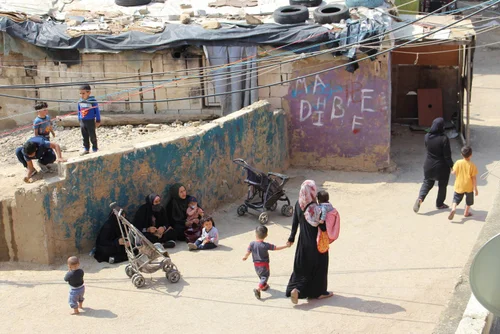
Christians also run many social support programmes, serving the large Palestinian and Syrian refugee communities, as well as many Lebanese. The Middle East Council of Churches (an ecumenical body made up of the four key denominations) has its base in Beirut and provides significant humanitarian response and development work, not just in Lebanon but in countries across the region.
The long and continuous Christian presence in the country has left its mark on Lebanon’s cultural and social heritage. A key tourist attraction and UNESCO World Heritage site is the Kadisha/Qadisha (Holy) Valley, site of some of the most ancient Christian monastic communities of the Middle East.

THE HISTORY OF CHRISTIANITY IN LEBANON
Lebanon, then part of the Roman Empire, was one of the first places Christianity spread to in the first century AD. Sidon, on the Lebanese coast, is mentioned in Acts (27:3). It is where St Paul (then a Roman prisoner) was allowed ‘to go to his friends so they might provide for his needs’, possibly indicating a very early Christian presence.
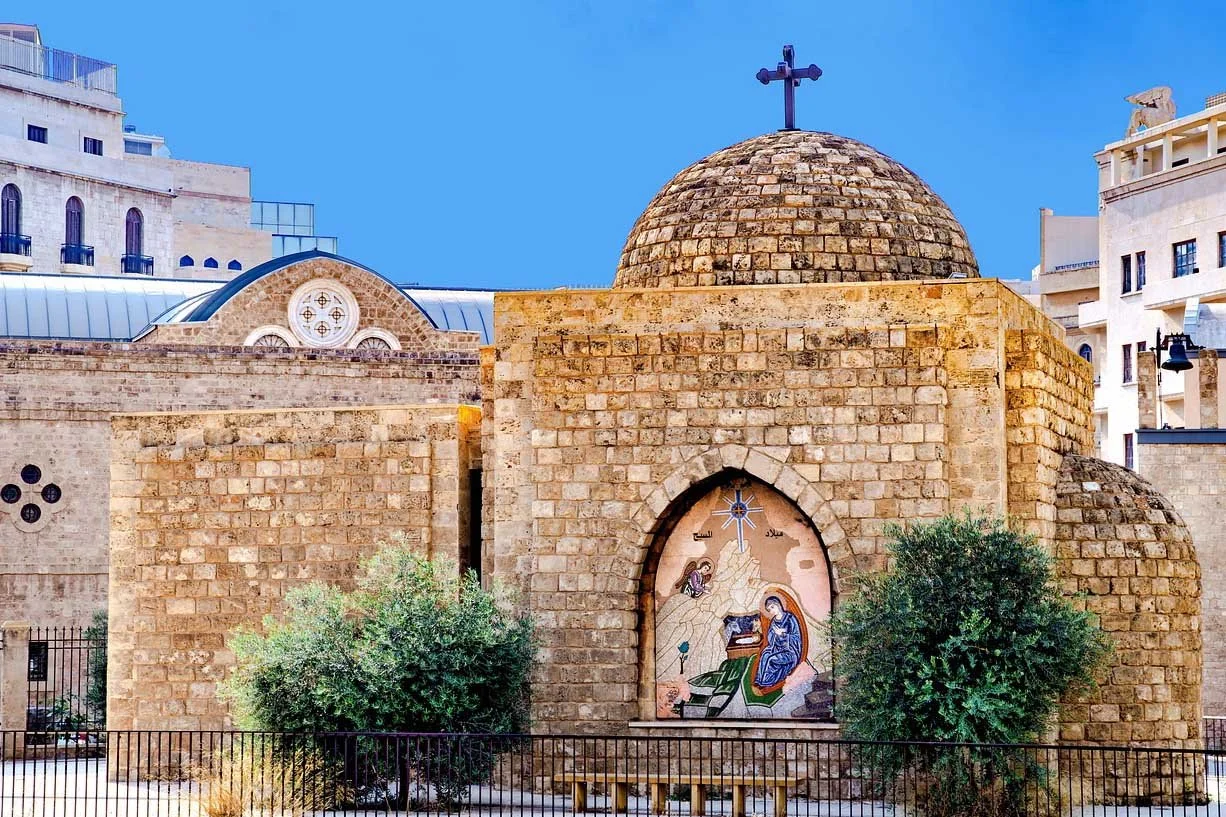
St George’s Greek Orthodox Cathedral in Beirut was said to have first been built by Eusebius of Nicomedia, Bishop of Berytus (modern-day Beirut), who died in AD 341, although the current building is much later.
But it’s the Maronite Church that has had the biggest influence in Lebanon and its history. In the 4th century, Maronite Christians (followers of St Maron, an ascetic monk from Syria) moved into the Lebanese mountains and began converting the population. Their monasteries in the Kadisha Valley are some of the oldest in the world and the Maronite Church is the largest Christian presence in Lebanon today.
Although part of the Catholic branch of the church, it developed independently and has a unique character. The Maronite community lived for many centuries in the seclusion of the Lebanese mountains, largely cut off from Rome (and the rest of the church). They, and the other indigenous Christian communities (Greek and Syriac Orthodox), resisted assimilation with the Arab conquerors, who moved into the Levant in the 7th century, and maintained a significant level of autonomy.
During the 11th and 12th centuries, the Crusaders briefly established Western Christian rule in the region. Before they were driven out by the Muslim army, they built several churches and castles, including St John-Marc Cathedral in Byblos, and reestablished contact with the Maronite church.
Congregationalists and Presbyterian churches began to appear after Protestant missionaries arrived in Lebanon in around the 1820s, and the first Baptist congregation was founded in Beirut in 1895, but their numbers have remained small.
More significant in terms of numbers are the Armenian Christians. Many fled to Lebanon during the Armenian Genocide in 1915, bringing with them their unique Christian heritage. Armenians are considered to be the world’s first Christian nation, when King Dirtad III converted to Christianity in AD 301. By 1926 there were 75,000 Armenians in Lebanon, many concentrated around Beirut. Today this number has risen to around a quarter of a million.
For much of Lebanon’s history the indigenous Christian community and larger Muslim community have lived in relative harmony. Notable exceptions being the 1860 Mount Lebanon Druze-Maronite conflict and the Lebanese Civil War (1975-1990). Power-sharing agreements between the Christians and Muslims have been part of Lebanese politics since at least the 19th century and Christians continue to play a significant role in the government and culture of Lebanon today.